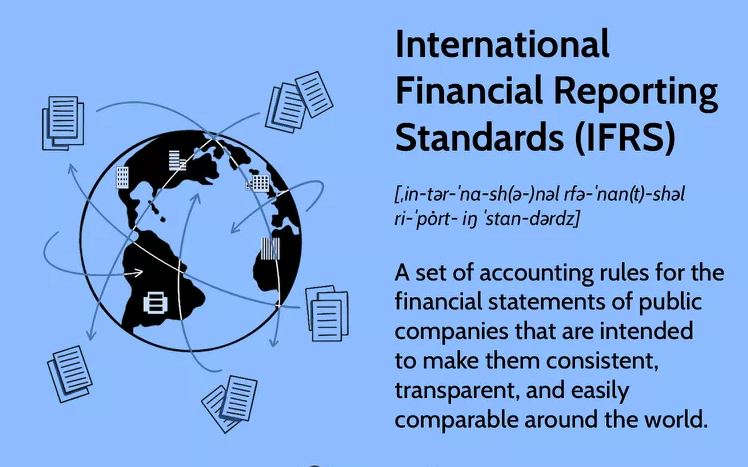
International Financial Reporting Standards (IFRS) are a globally recognized set of accounting rules designed to ensure that financial statements are consistent, transparent, and comparable across international borders. Issued by the IFRS Foundation, they are mandated in over 140 countries.
Key Characteristics
- Global Standardization: Provides a universal business language, making it easier for investors and analysts to evaluate companies worldwide.
- Governing Body: Developed and maintained by the International Accounting Standards Board (IASB).
- Principle-based: Unlike the rule-heavy US GAAP, IFRS relies on broad principles, requiring more professional judgment in financial reporting.
Core Standards
The comprehensive framework encompasses a series of pronouncements categorized into standards and interpretations. Common standards include:
- IFRS 9: Establishes principles for financial reporting of financial assets and liabilities.
- IFRS 15: Defines rules for recognizing revenue from contracts with customers.
- IFRS 16: Dictates how leases are recognized, measured, and disclosed.Resources.