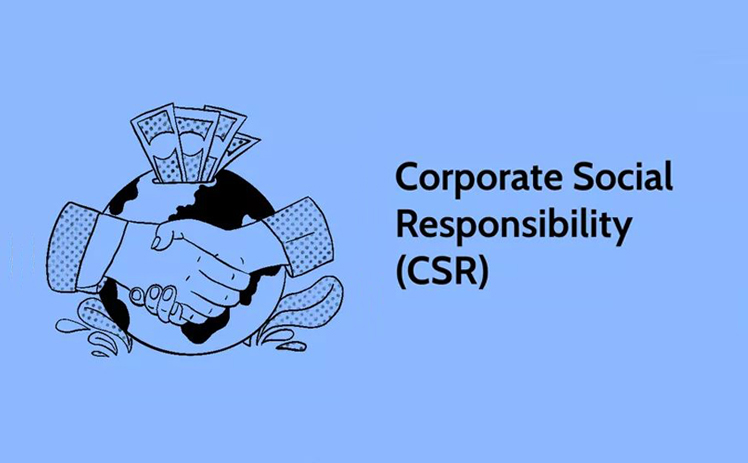
Business Sustainability and Corporate Social Responsibility (CSR) refer to business models where companies balance financial profitability with positive societal and environmental impact. These practices ensure long-term corporate resilience while addressing the ethical, philanthropic, and economic expectations of modern consumers, employees, and investors.
The Core Pillars of CSR
Modern corporate sustainability is typically evaluated across four primary pillars:
- Environmental: Minimizing carbon footprints, reducing waste, conserving resources, and combating climate change.
- Social: Ensuring fair labor practices, championing diversity and inclusion, and providing safe working conditions.
- Societal: Engaging in philanthropic endeavors, community volunteering, and initiatives that solve localized social problems.
- Governance: Maintaining ethical transparency, anti-corruption policies, and corporate accountability to stakeholders.
Why It Makes Business Sense
Far from being a mere public relations expense, embedding CSR into your operations yields tangible strategic advantages:
- Brand Reputation & Loyalty: Consumers increasingly prefer buying from purpose-driven brands, directly boosting sales and loyalty.
- Talent Acquisition: Top-tier talent—especially younger generations—prioritizes employers whose values align with their own, significantly improving employee retention.
- Investor Attraction: Sustainable and socially conscious businesses often attract higher capital investments, as stakeholders look at stability and long-term growth.
- Risk Management: Proactively managing resource use and supply chains helps companies avoid costly legal penalties, supply disruptions, and reputational crises.
Getting Started with Implementation
To effectively launch or scale a sustainability initiative, businesses must avoid superficial “greenwashing” by taking actionable, measurable steps:
- Audit Operations: Use diagnostic tools like the BSR Sustainable Business Network to benchmark your company’s performance against global standards.
- Align with Core Values: Ensure CSR initiatives are logically connected to your core business operations and community needs.
- Engage Stakeholders: Listen to what your employees, customers, and local communities care about, as highlighted by BDC’s Corporate Responsibility Guide.
- Publish Progress: Provide transparent reporting on metrics to build trust with the public and investors